Research
ROCm, LLVM/GCC, Linux kernel and simulators
Research guide: databases and the Big 4 conferences →
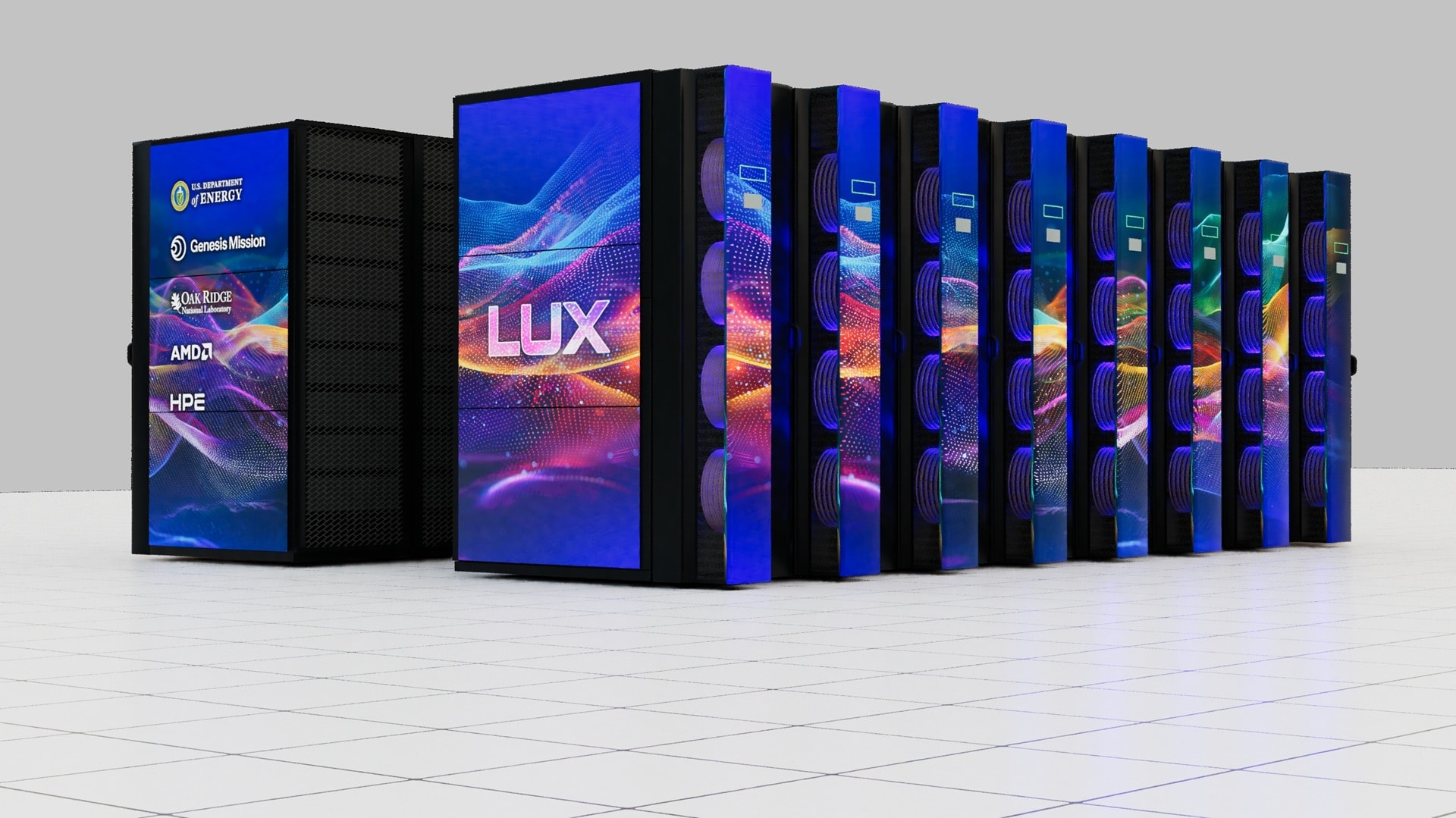
New supercomputing deployments, AI for Science platforms, quantum collaborations, HPC support in networking and open-source software bring heterogeneous computing to the most demanding challenges. Nov. 18, 2026 — At S…
New open-source tool from IBM and AMD helps researchers evaluate quantum error-correction decoders at scale for future fault-tolerant quantum systems. Nov. 17, 2026 — Earlier this month, Oak Ridge National Laboratory…
New supercomputing deployments, AI for Science platforms, quantum collaborations, HPC support in networking and open-source software bring heterogeneous computing to the most demanding challenges.
In this series of ROCm blogs, we are studying the impact of instruction scheduling on memory operations executed in lock-step. This post follows the introductory post and will focus on loading data from device memory…
The High-Luminosity LHC (HL-LHC) will demand order-of-magnitude gains in analysis throughput, and increasingly those gains must come from GPUs that are not made by a single vendor. Leadership-class systems such as El…
Spatial NPUs such as AMD XDNA place compute tiles beside small local memories and leave data movement between them to software. Mapping a multi-stage workload onto such a device is largely a question of where the inte…
We introduce AMDKernelVault, an open HIP and Triton kernel corpus and training framework for recent AMD CDNA GPUs. Existing LLM-based kernel agents are largely CUDA/NVIDIA-centric and often depend on repeated frontier…